
Essential
Watering
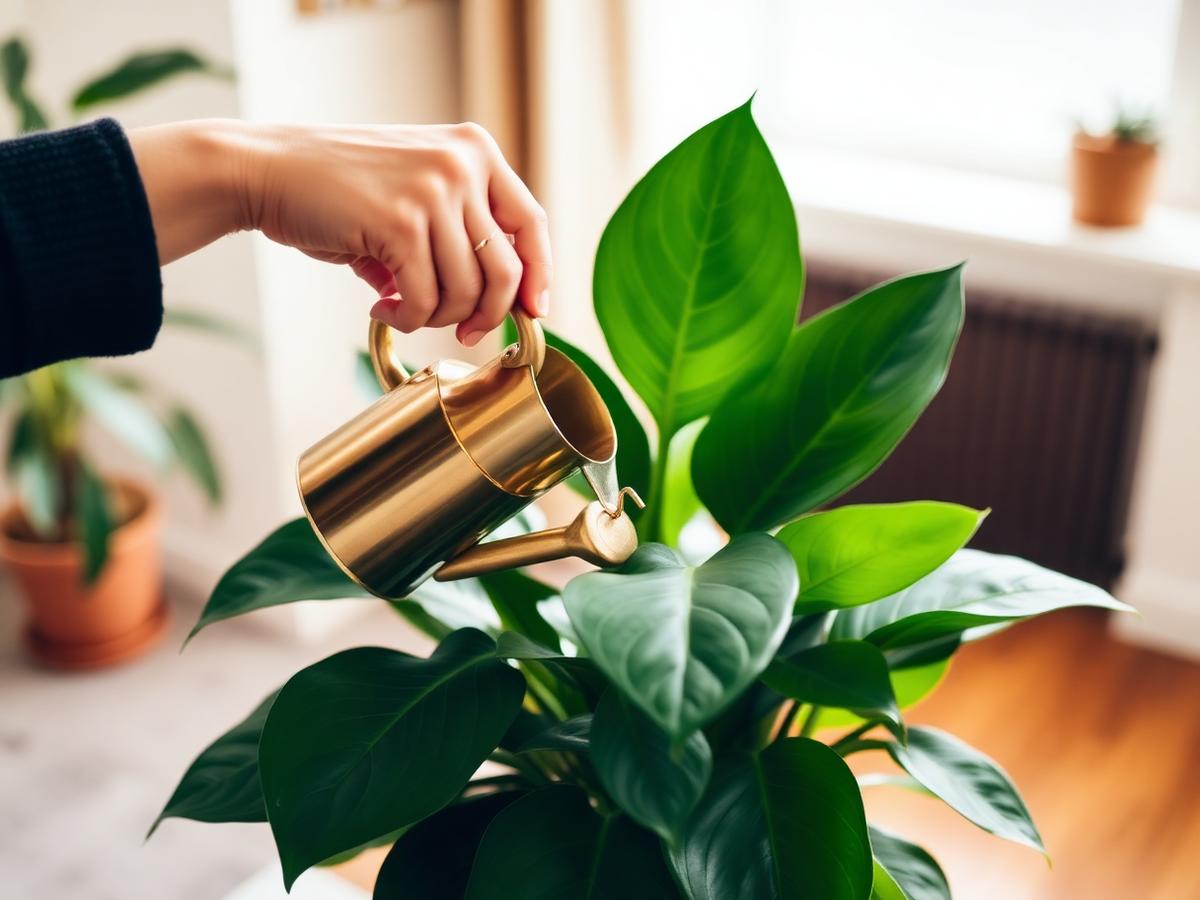
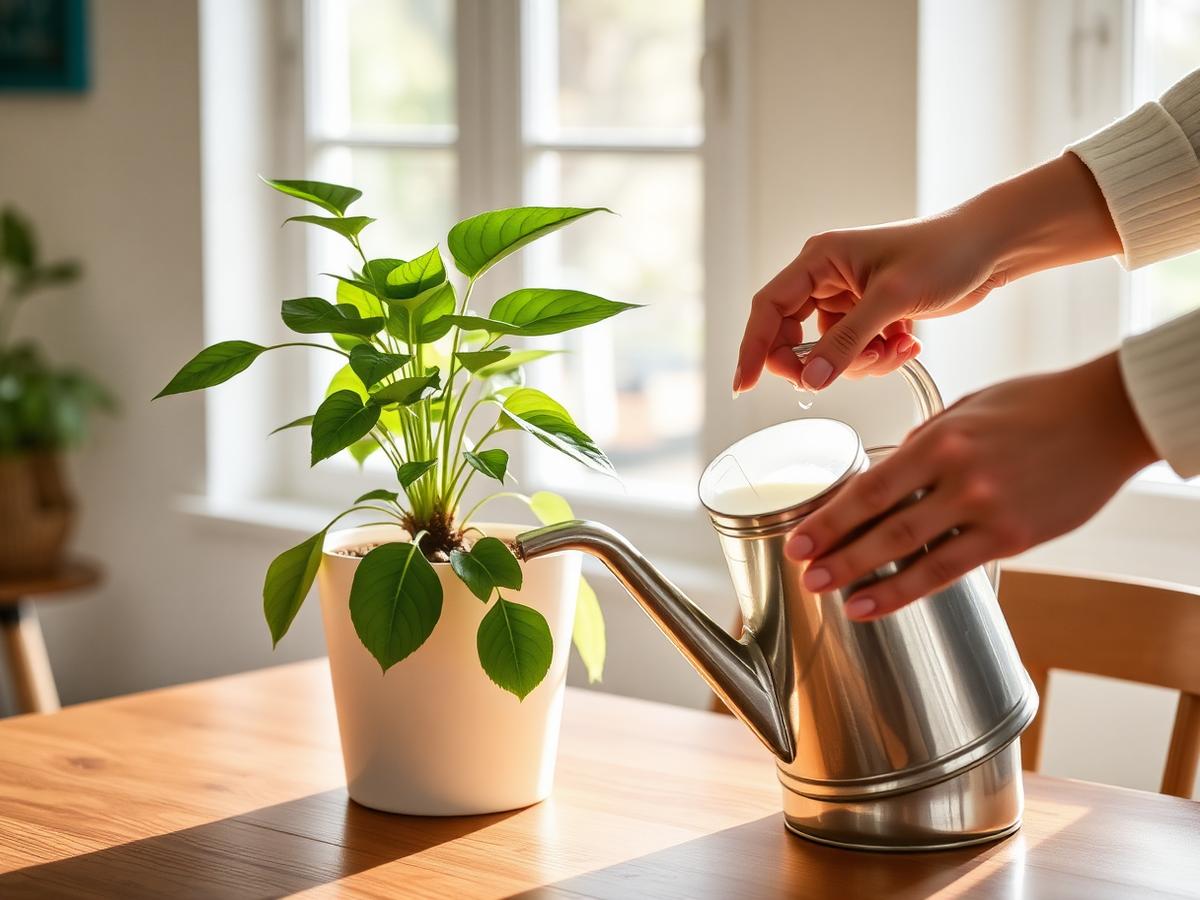
Water thoroughly when the top inch or two of soil feels dry, then let excess drain away. Most houseplants prefer a deep soak followed by a drying-down period — soggy roots are the most common cause of decline.
Helping your plants thrive starts with understanding their unique needs.
A Gentle Introduction
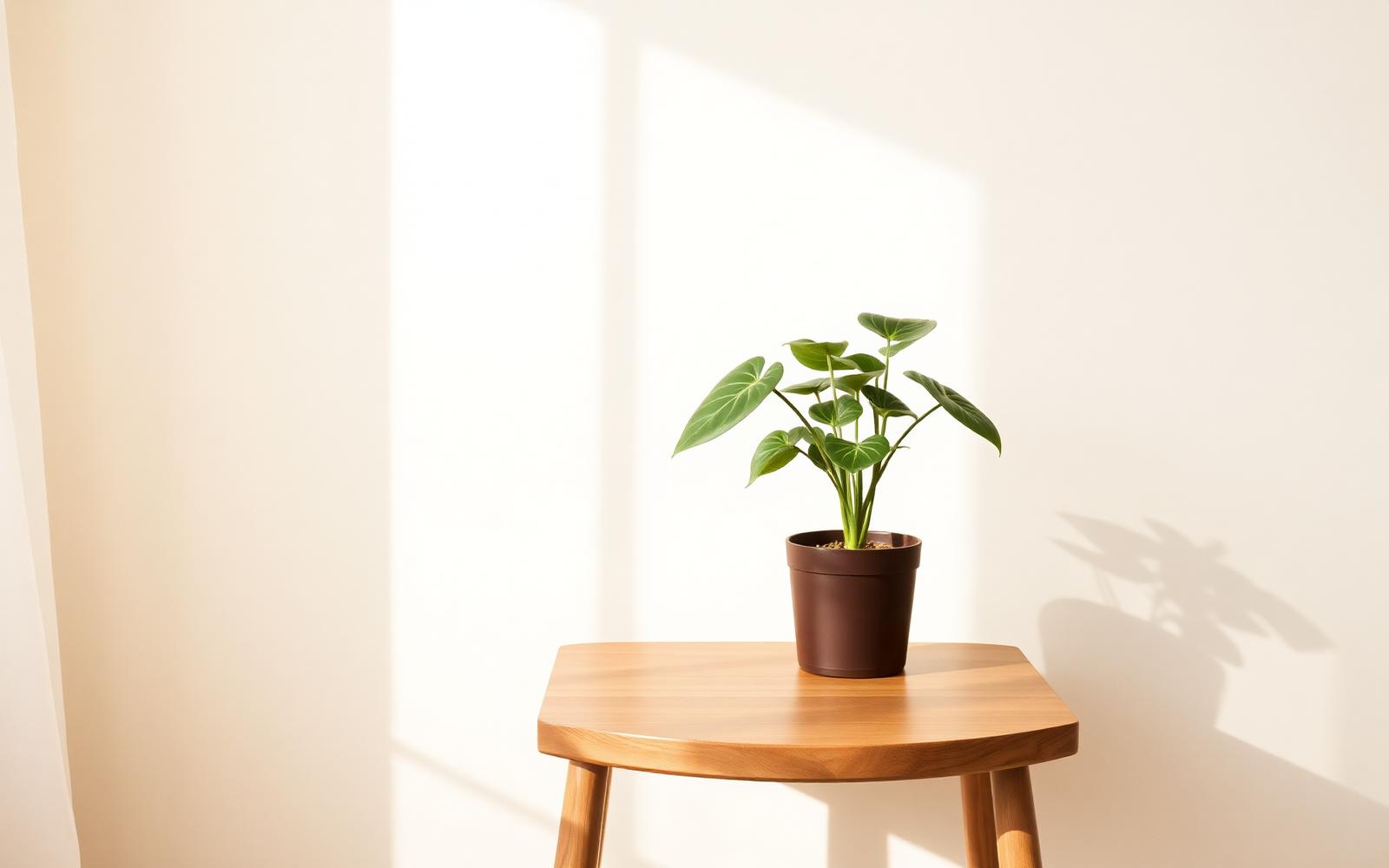
Think of these as general guidelines, not strict rules. Every plant has unique care requirements, so always research the specific needs of your plant to help it thrive.
The information below is intended to provide a strong foundation for caring for many common houseplants, but factors such as species, growing medium, light, humidity, temperature, and your home's environment can all influence how a plant should be cared for.
Essential
Water thoroughly when the top inch or two of soil feels dry, then let excess drain away. Most houseplants prefer a deep soak followed by a drying-down period — soggy roots are the most common cause of decline.
Essential
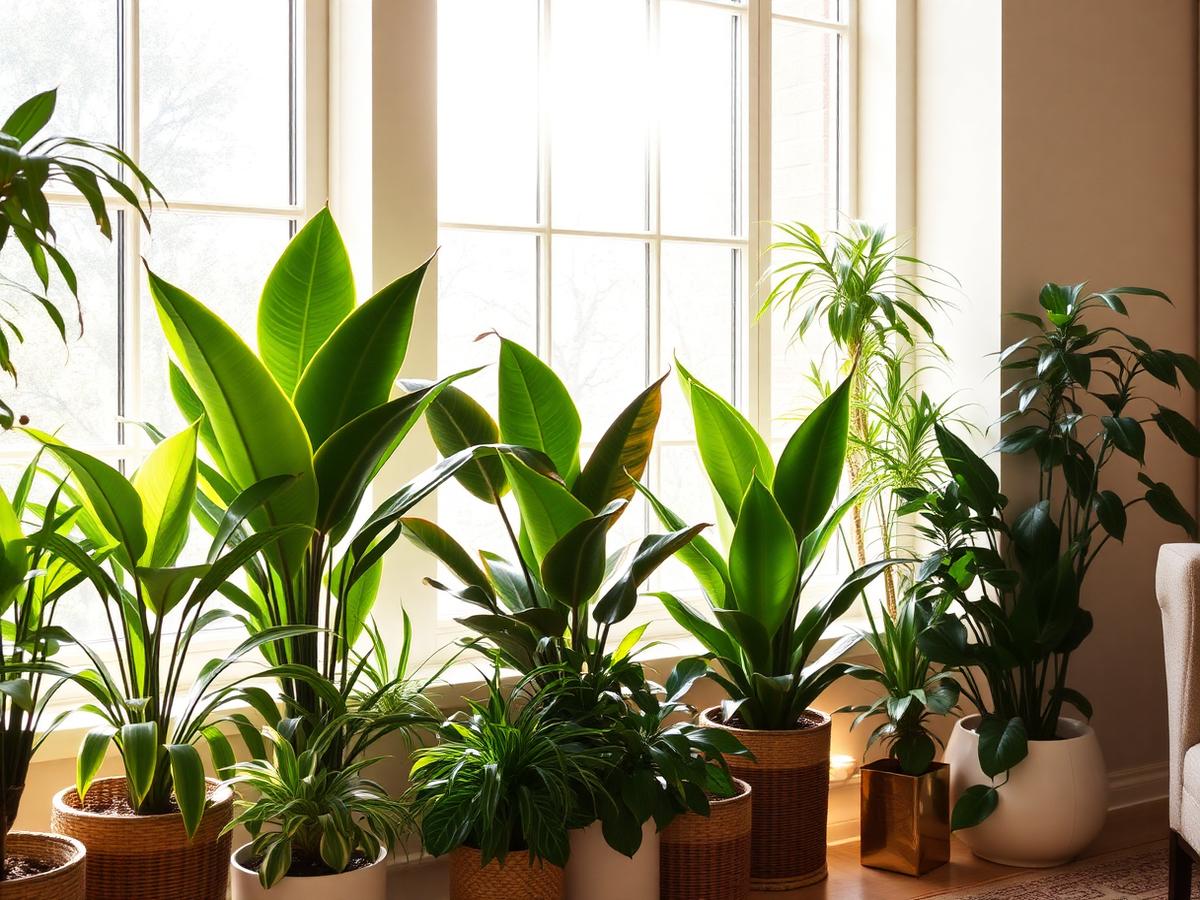
Bright, indirect light suits the majority of tropicals. Watch how your plant leans, stretches, or fades — its foliage will tell you long before a light meter whether it wants more sun or a step back from the window.
Essential
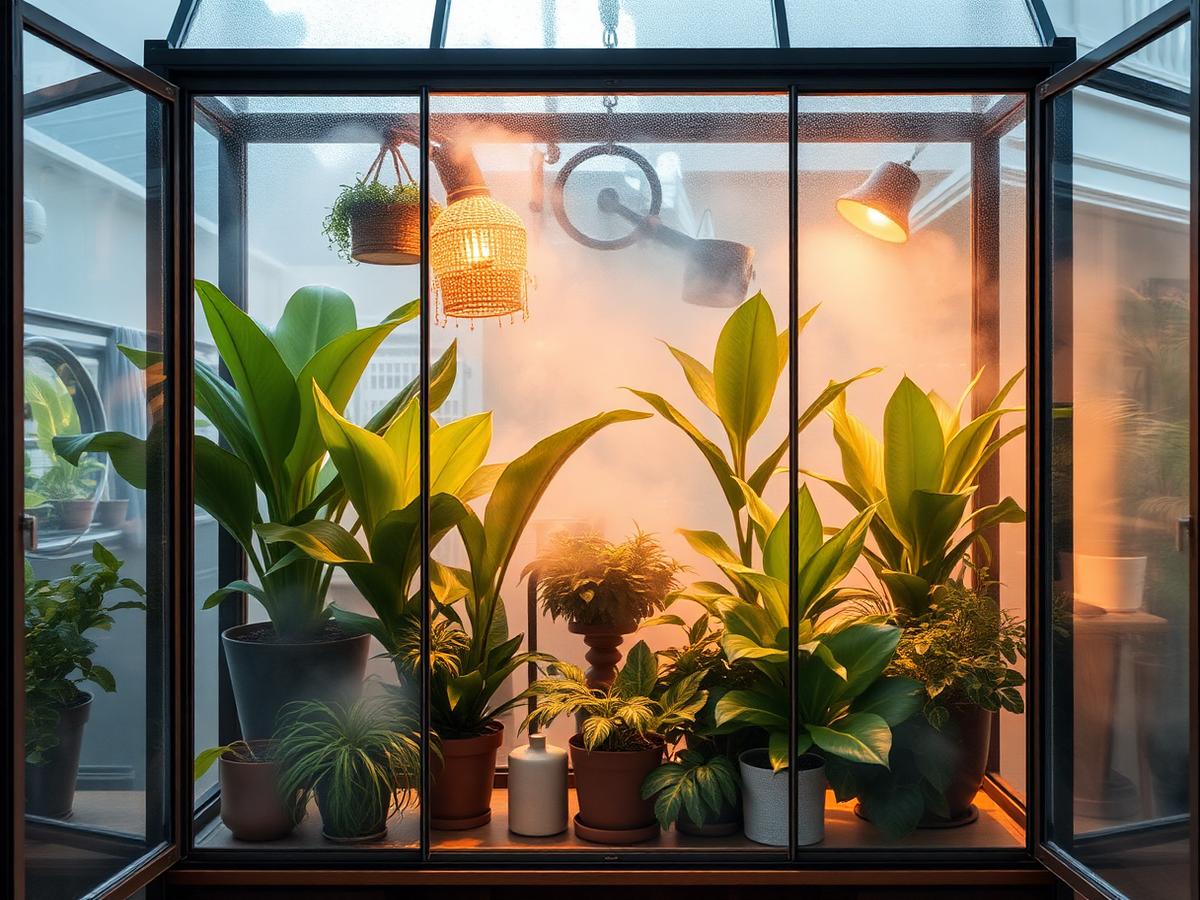
Aroids, ferns, and velvet-leaf species thrive between 55 and 70 percent humidity. Grouping plants together or adding a small humidifier during dry months makes a visible difference in new-leaf quality.
Essential
Feed lightly and consistently during active growth in spring and summer using a balanced, diluted fertilizer. Pause or reduce feeding in the cooler months when growth naturally slows.
Essential
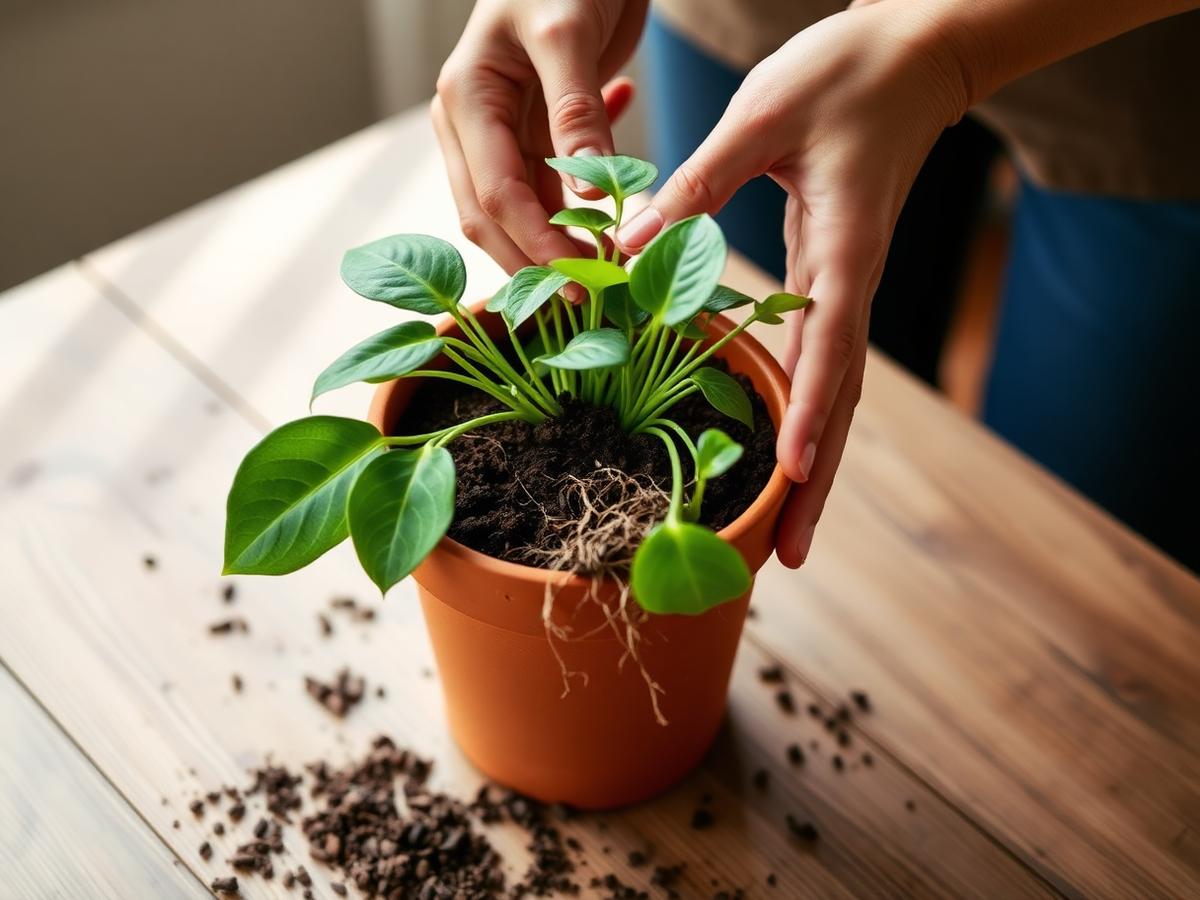
Refresh soil every one to two years, or when roots begin circling the pot. Move up just one size, use an airy, chunky mix suited to the species, and give the plant a settling-in period before fertilizing again.
A Gentle Reminder
The best way to care for a plant is to observe how it responds to your environment. Every home is different, and factors like light, airflow, temperature, humidity, watering habits, and placement all work together to influence a plant's health. Learning to watch your plants and recognize how they respond is just as important as following general care guidelines.
Whether you're caring for one special plant or an entire collection, we're happy to help.